


July 15, 2026
Maintaining a healthy lawn goes beyond cutting grass regularly. Consistent watering, proper lawn fertilisation, and seasonal lawn care tips all play a part in keeping your yard green and healthy throughout the year.
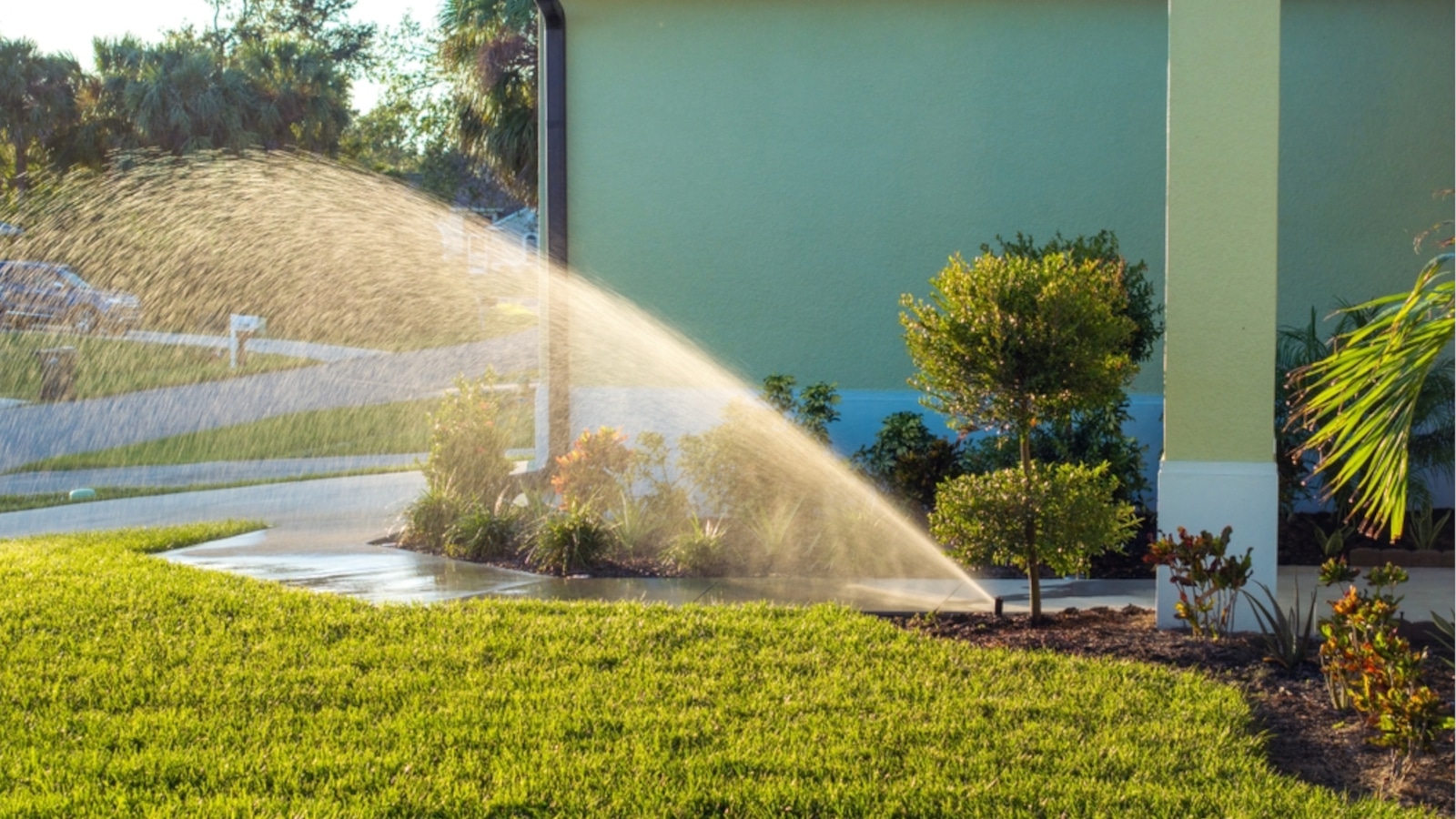
Watering is one of the most important steps in lawn maintenance. Without the right approach, the lawn can dry out or suffer from overwatering, both of which lead to long-term damage. As a trusted provider of lawn mowing services in Auckland, we’re here to share best practices for watering the lawn.
How Often Should You Water Your Lawn?
Some homeowners think watering daily keeps the lawn green, while others ignore it until dry patches appear. Both habits can harm grass growth and increase the risk of pests, weeds, and soil problems. Overwatering, for example, suffocates roots and encourages diseases, while drought stress causes the grass to become brittle and patchy. Timing, technique, and consistency all matter.
Most established lawns need around 25–38mm of water per week, either from rainfall or irrigation. Rather than light daily watering, aim for two to three deeper sessions each week. Deep, infrequent watering encourages roots to grow further into the soil, making the lawn more resilient during dry spells.
A simple way to check your sprinkler output: place a few empty tuna cans around the lawn while it’s running. Once they hold about 8–12mm of water, you’ve applied roughly the right amount for that session.
Soil type matters too. Sandy soils drain quickly, so they need more frequent watering in smaller amounts. Clay soils hold moisture longer, which is great for water retention, but they can become waterlogged if you overdo it. If you’re unsure what you’re working with, a local lawn care professional can test your soil and tailor a grass-watering guide to suit it.
Best Practices for Watering the Lawn
Knowing how often to water your lawn makes a noticeable difference. Early morning, between 6 a.m. and 9 a.m., is ideal because temperatures are lower and the wind is minimal. This means water soaks into the soil rather than evaporating before it can do any good. Watering in the evening may seem more convenient, but it often leaves the lawn damp overnight, creating a favourable environment for fungal growth.
Avoid watering in the middle of the day. Heat and wind combined can evaporate up to half the water before it reaches the roots, which is both ineffective and wasteful.
- Water deeply, not daily. Two or three 20–30-minute sessions per week are far better than 10 minutes every day.
- Check the soil, not just the surface. Push a screwdriver 15cm into the ground. If it won’t go in easily, the lawn needs water. If the soil is soggy, hold off.
- Use rain sensors and soil moisture meters to avoid overwatering after rainfall.
- Make sure sprinklers cover all areas evenly without oversaturating one section while leaving another dry.
- Watch for warning signs. Grass that looks dull or blue-green, or shows footprints that don’t spring back, is telling you it’s thirsty. Soggy patches, puddles, or squishy ground after watering indicate overwatering.

Seasonal Lawn Care Tips: Adjusting Your Watering Through the Year
In South Auckland, conditions shift quickly. Here’s how to adjust your watering throughout the year:
Spring
Rainfall usually does a lot of the work. Hold off on watering unless the lawn goes more than five days without decent rain. This is also a great time to check that your sprinklers are working properly after winter.
Summer
This is where your lawn needs the most attention. Knowing how often to water lawn areas in your garden becomes especially important as temperatures climb. Water early in the morning, increase to two or three sessions a week, and watch for signs of heat stress like browning edges or curling blades.
Autumn
Ease back gradually as temperatures drop and rainfall picks up. Pair any watering with a fertiliser suited to cooler months to help strengthen roots before winter.
Winter
Most South Auckland lawns go semi-dormant and need very little supplemental water. Let rainfall do the work, and avoid walking on waterlogged grass to prevent soil compaction.
Keep Your Lawn Free from Weeds and Pests
Weeds compete with grass for water and nutrients. Once they spread, they can overtake large areas quickly. Similarly, pest infestations damage roots and cause discolouration. Treating these problems early prevents long-term damage.
Lawn care professionals apply treatments suitable for your lawn type and local climate. They use targeted methods that treat the problem without affecting the surrounding grass or plants. Their product choices consider seasonal changes and soil conditions, ensuring lasting results without harming the environment.
Feed Your Lawn the Right Way
Fertilising supports root development, colour, and stress resistance. However, not all lawns require the same nutrient mix. Too much nitrogen can lead to overgrowth, while a lack of potassium may reduce drought tolerance. Testing the soil reveals what your lawn truly needs.
Slow-release fertilisers are generally best for residential lawns. They provide nutrients steadily over several weeks to support consistent growth without forcing rapid spurts that need more frequent mowing. An important seasonal lawn care tip is that nitrogen-based products work well in spring and early summer, while a balanced formula with potassium helps prepare your lawn for the cooler months.
Maintain Lawn Edges and Clean Up Clippings
Well-defined lawn edges improve overall appearance and stop grass from creeping into paths or gardens. Trimming edges creates a clean finish and prevents overgrowth by reducing airflow to the base of the grass.
Professional mowing services not only maintain these borders but also remove clippings after mowing. Leaving too many clippings can lead to a buildup that blocks sunlight or attracts pests. However, managed clippings can sometimes help retain moisture. Professionals decide what works best based on lawn type and weather.
Common Lawn Watering Mistakes to Avoid
Even well-intentioned homeowners can fall into habits that quietly damage the lawn. Here are the ones we see most often:
- Daily Watering: It feels thorough, but light daily watering keeps roots near the surface. They never develop the depth needed to survive dry spells.
- Ignoring the Season: A watering routine that works in February won’t serve you in July. Adjust your approach as the seasons and conditions change.
- Watering at the Wrong Time: Evening watering leaves moisture on the blades overnight, inviting fungal disease.
- Using a Rigid Schedule Regardless of Rainfall: If it’s rained well this week, skip the sprinklers. Over-irrigation wastes water and weakens your lawn.
- Neglecting New Lawns: Newly laid turf or seeded areas need closer attention. Water two to three times and keep the top few centimetres consistently moist until the grass is established.
How Regular Mowing Supports Better Water Uptake
It might seem unrelated, but how your lawn is mowed directly impacts how well it absorbs water. Grass cut at the right height (not too short, not too long) develops a healthier root system that draws moisture more efficiently from the soil.
Cutting too short stresses the grass and exposes the soil, making it harder for water to penetrate. Leaving it too long can cause thatch buildup, which traps moisture at the surface and prevents it from reaching the roots at all.
Our lawn mowing services in Papakura include advice on the right mowing height for your grass type, because a well-mowed lawn and a smart watering routine work hand in hand.
Take the Guesswork Out of Lawn Care
Following the best practices for watering the lawn isn’t complicated. It just requires the right habits, applied consistently. Proper watering, seasonal adjustments, and regular mowing all work together to keep your yard in great shape throughout the year.
If you’d rather leave it to the pros, we’re here to help. Lifestyle Lawns is a family-owned business that brings personal, dependable services to every property we look after across Papakura, Manurewa, and Takanini. Get in touch with the team today.